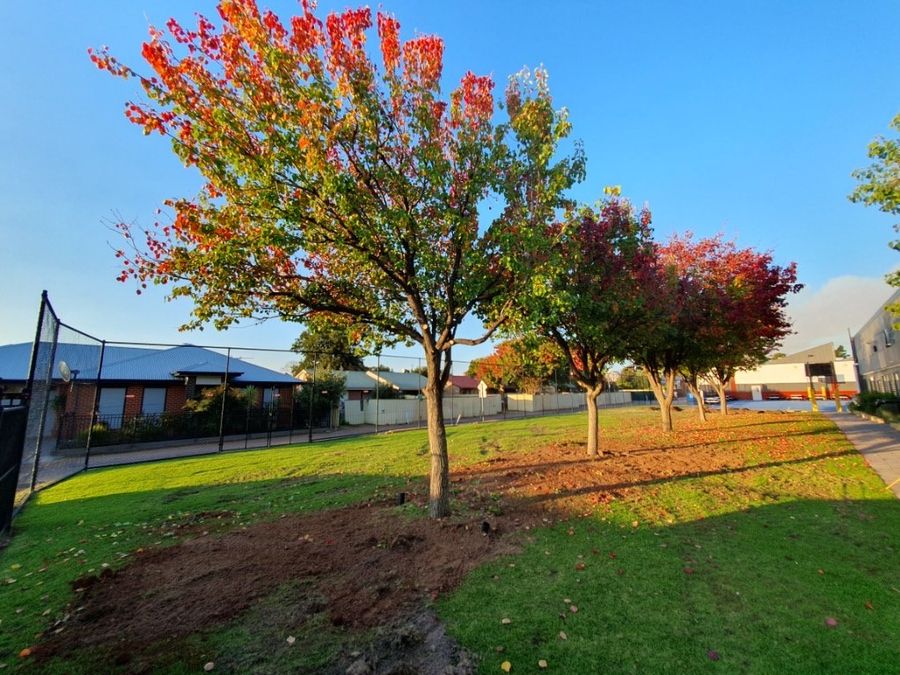
Specialty Tree Care
Specialty Tree Care
Crown work, planting and ongoing care that keeps established trees healthy and looking their best.
Crown work, planting and ongoing care that keeps established trees healthy and looking their best.
At Adelaide Arborists, we have a fully qualified arborist on every worksite, often more than one. This can give you peace of mind as a qualified arborist is the top of the line in the tree service industry. At Adelaide Arborists we have full time certified arborists on staff. The growth pattern and stability of your trees is something that we can help to control and create safer environments if monitored properly. Certified arborists deal with the health and safety of individual plants and trees and offer a variety of services. Trees can be difficult and even dangerous to maintain properly. Many problems can be easily solved when detected early and by a professional - a qualified arborist. Please see below for a list of different speciality tree care options. Get in touch with our friendly team to explore whether these options are suitable for you and your trees.
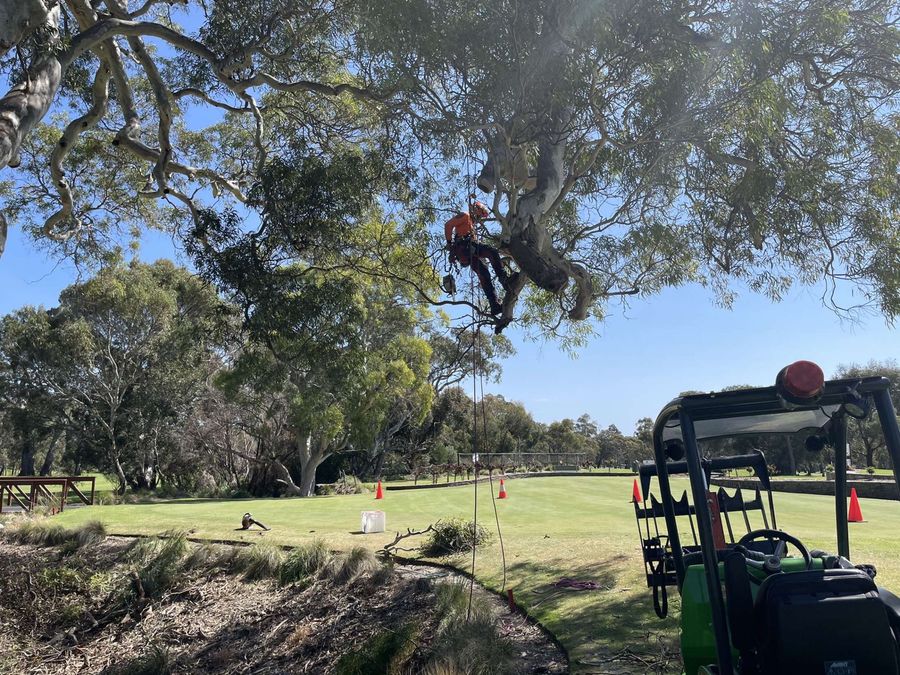
A less well known technique used by qualified arborists to give trees more support that are prone to risk of falling branches or complete failure due to leaning for example. There are several support systems for trees but cabling is commonly used for extra support.
Similar to cabling, bracing uses rods that can be inserted in weak fork unions usually in conjunction with cables higher up in the crown. Sometimes called Rod Bracing, different materials are employed to carry out bracing work and when the situation allows non-invasive methods are primarily used.
Provides air supply underground by moving oxygen and carbon dioxide between the pores of the earth and the atmosphere. It helps avoid oxygen starvation in trees and reduces harmful carbon dioxide levels in the subsurface air if they rise too high.
Fresh soil is carefully replaced around existing roots and brought up to grade. The tree responds by regenerating additional roots in the fresh soil, especially if the existing soil was compacted or chemically contaminated. This new technique needs much more evaluation before it becomes common practice for trees but works well when soil is compacted or for large shrub areas.
This process removes the dirt from around the trunk of a tree to inspect the base. This is done to investigate the extent of decay that is present or to view the structure of the roots and check for any potential girdling root issues.
The process of cutting roots prior to mechanically excavating near a tree. Root pruning may be necessary to minimise damage to the tree's root system during construction or in preparation for large tree transplanting.
Often used in civil application where a physical underground wall is placed so that structures and plants can coexist happily. Used for stopping newly planted trees from damaging pipes and buildings. Nowadays they are commonly made from special plastics capable of coping with major stresses.
This method involves injecting liquid fertiliser into the soil near the tree's roots. Also known as soil injection, deep root fertilisation is applied with a long, narrow injection tool, providing numerous benefits to your trees.
This involves spraying your trees to protect them from diseases and insects. The specific chemicals used and their timing depend on the identified diseases and insects.
Cabling and bracing are both techniques used to provide extra support to trees that are at risk of falling or breaking. Cabling involves attaching flexible wires or ropes between branches or stems, while bracing involves inserting rigid rods or bolts in weak forks or cracks. Cabling is more commonly used for higher parts of the tree, while bracing is more suitable for lower parts. Both methods require careful installation and regular inspection by a certified arborist.
Soil aeration is the process of providing air supply to the roots of trees by creating spaces or pores in the soil. This allows oxygen and carbon dioxide to exchange between the soil and the atmosphere, which is essential for the respiration and growth of trees. Soil aeration also improves water infiltration, drainage, and nutrient availability for trees. Soil aeration can be done by using tools such as aerators, augers or vertical mulching.
Deep root fertilisation is a method of injecting liquid fertiliser into the soil near the roots of trees. This provides a direct and concentrated source of nutrients for the trees, especially in urban or compacted soils where nutrients are scarce or inaccessible. Deep root fertilisation can improve the health, vigour, and resistance of trees to diseases and pests. It can also stimulate root growth and development, which can enhance the stability and longevity of trees.
Tree spraying is a preventive or curative measure to protect trees from diseases and insects. The timing and frequency of tree spraying depend on the type and severity of the problem, the life cycle of the disease or insect, and the weather conditions. Generally, tree spraying should be done before the disease or insect becomes active or visible, and repeated as needed according to the label instructions of the product. Tree spraying should be done by a certified arborist who can identify the problem, select the appropriate product, and apply it safely and effectively.
Healthy, considered cuts that keep your trees strong, let the light back in, and keep everyone happy.
Learn more →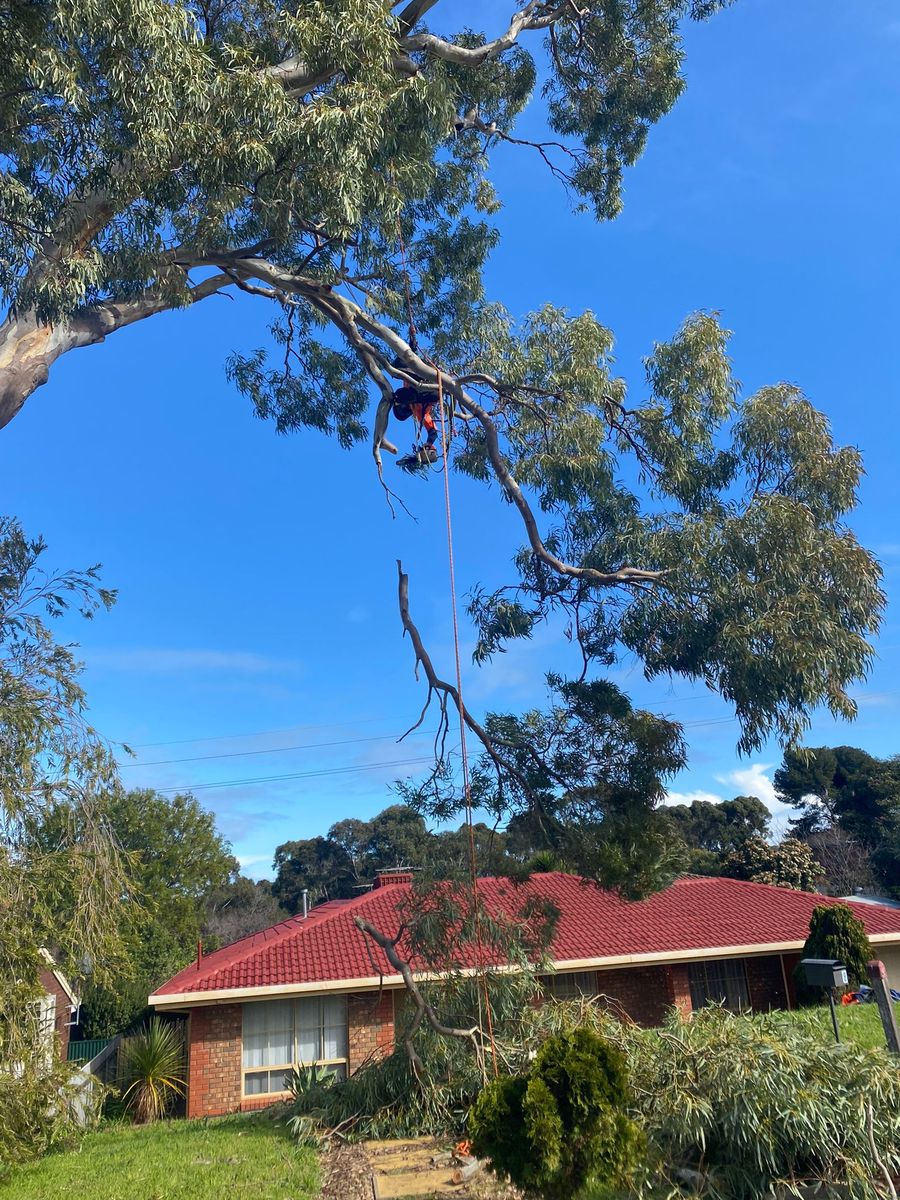
Independent, qualified assessments for councils, insurers, development applications and tree disputes.
Learn more →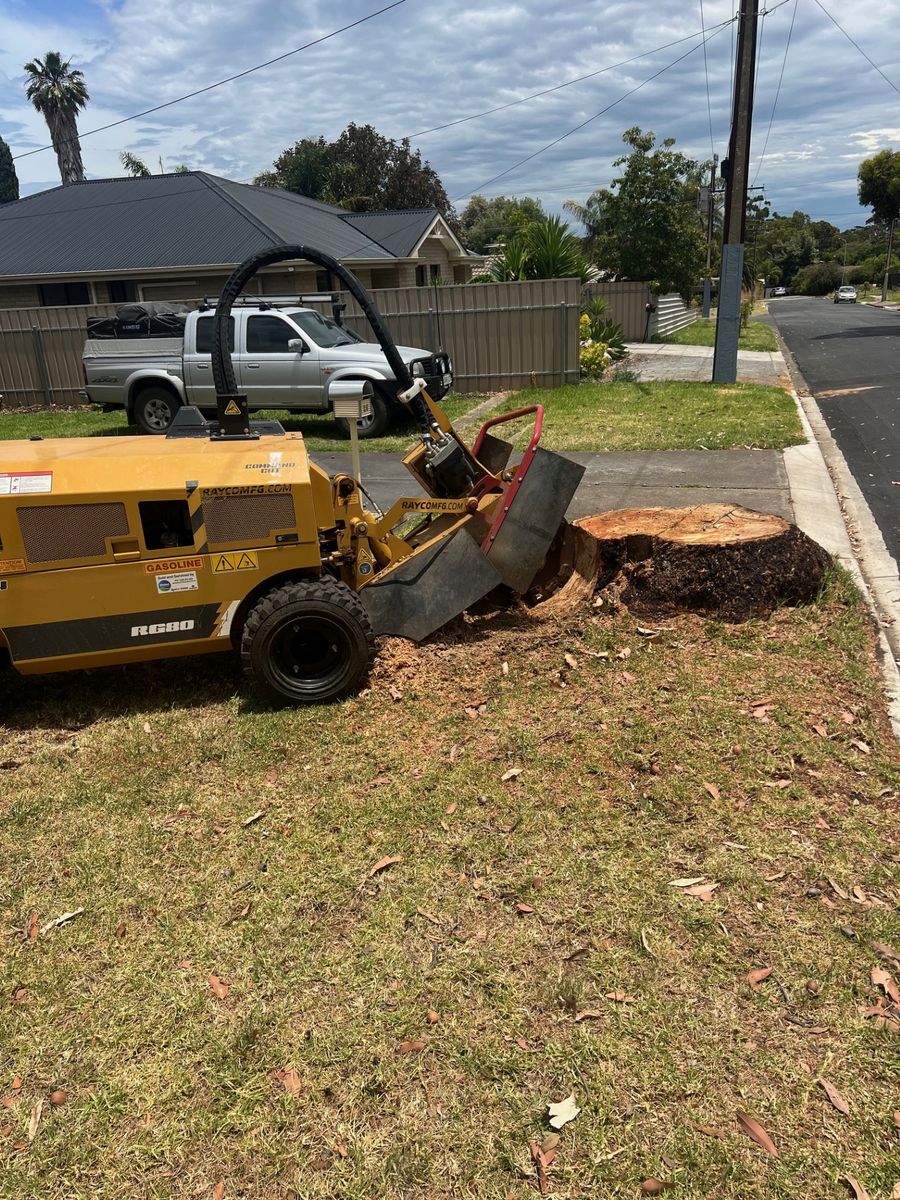
Stumps ground out well below the surface so you can finally reclaim that part of the garden.
Learn more →Friendly service, fair quotes, and qualified arborists across Adelaide Metro and rural South Australia. Get in touch today.